Spotting the threat within.
A Guide to Insider Risk
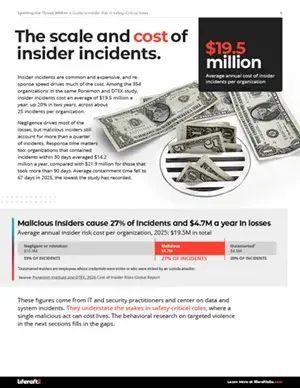
Insider threats aren't always easy to recognize, especially when they involve people already trusted with access to critical systems, facilities, and sensitive information. From overlooked warning signs to emerging risks associated with AI, organizations need to look beyond traditional background checks.
What You'll Learn
-
How insider risks develop: Understand the different types of insider threats and their potential impact on safety-critical operations.
-
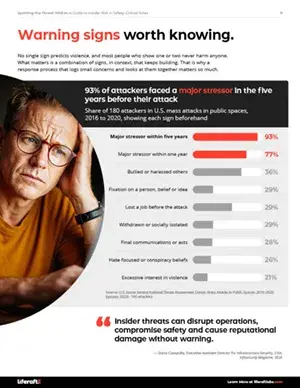
Warning signs worth recognizing: Identify concerning behaviors, grievances, threats, and patterns that may indicate an emerging risk.
-
The role of OSINT: Discover how publicly available information can help surface threats and warning signs that traditional screening may miss.
-
How AI is changing insider risk: Explore new vulnerabilities created by AI tools, automated agents, and expanded access to sensitive information.
-
A practical insider risk checklist: Assess your current program and identify opportunities to strengthen screening, threat detection, and response.
Closing the gap starts with a few practical changes.
Traditional background checks capture a moment in time, but insider risk can develop long after someone is hired. Threats, grievances, and concerning behavior may surface in public online conversations, providing signals that might otherwise go unnoticed.
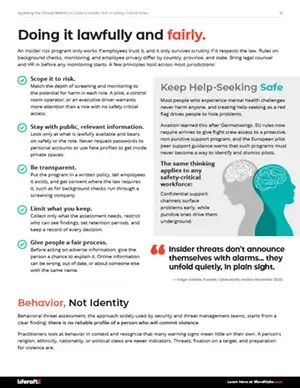
Open-source intelligence (OSINT) helps security teams identify relevant public threat signals and recognize changes over time. Combined with employee reporting, ongoing risk assessments, and collaboration between security, HR, and legal teams, these insights can help organizations recognize concerns earlier, respond fairly, and better protect their people and operations.