




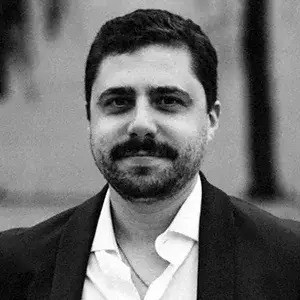
Mark Freedman
Mark Freedman is Principal and CEO of Rebel Global Security (RGS), a Washington-based firm that provides national security advice to the private sector. RGS helps businesses navigate global and national security dynamics to achieve commercial success.
For almost a decade, Mark served as a U.S. State Department officer, including as Chief of Staff to the Ambassador-at-Large for Counterterrorism. As Chief of Staff, Mark played a key role in the State Department’s global counterterrorism strategy, policy, and planning during the height of the threat from ISIS in the mid-to-late 2010’s.
In previous assignments at State, Mark led interagency surge teams to tighten security cooperation with European allies in the wake of the 2015 ISIS attacks in Paris; developed strategic plans to contain weapons proliferation to terrorists during the Arab Spring; and created a first-of-its-kind multilateral forum for counterterrorism information sharing.
Mark holds a M.A. in Security Studies with a concentration in Terrorism and Counterterrorism from Georgetown University and a B.A. in International Affairs from The George Washington University. He is a Certified Protection Professional (CPP).